The CIO of Artesia General Hospital in rural Southeast New Mexico shares the ongoing staffing and resource challenges he faces on a daily basis, and how his IT team tackles risk and workforce training.
Security teams have to take on more proactive strategies to ensure that the defenders prevail in a world where the bad guys also have access to artificial intelligence.
In health care, shifting IT leaders into security positions is a common practice and one that is likely here to stay into the foreseeable future. The SANS Institute discusses the major risks to the process and ways providers can better equip IT leaders to succeed in security.
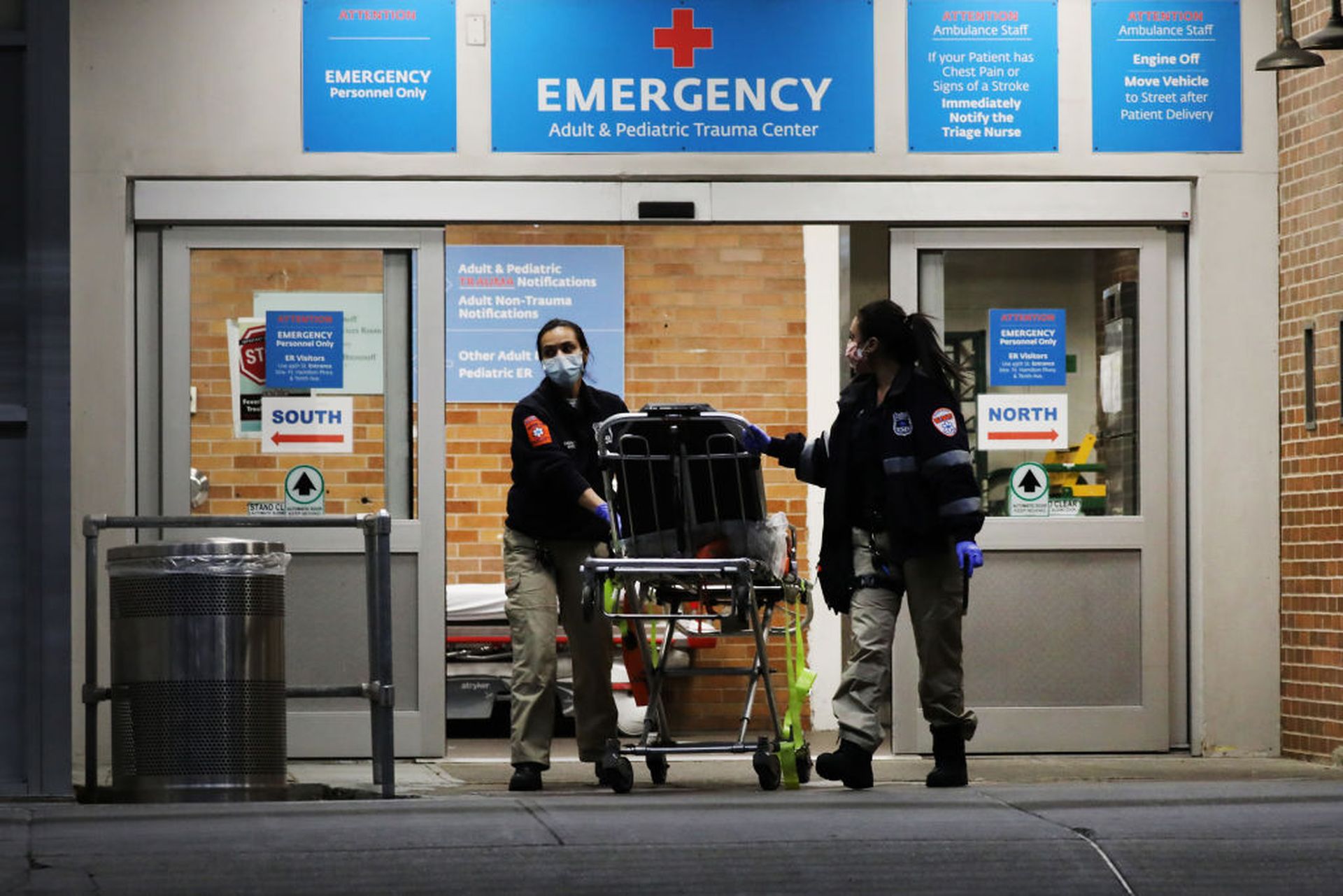
While there are plenty of compliance checklists, resources, and security standards, there’s no one-size fits all for any health care entity. As a result, the onus of securing the enterprise falls solely on the provider organization. And with limited security staff to go around, many are clearly struggling to keep pace and fully secure the enterprise. Mitre’s health care leaders discuss the patient safety risks, the importance of response plans, and taking advantage of free resources.
With the understanding that many schools lack the resources fulfill every best practice, the standards doc divides each security measure into four distinct levels of implementation – which each ensuing level resulting in less risk.
Organizations have to do more than hire a CISO and spend money on security tools -- they must practice due diligence around every aspect of cybersecurity.
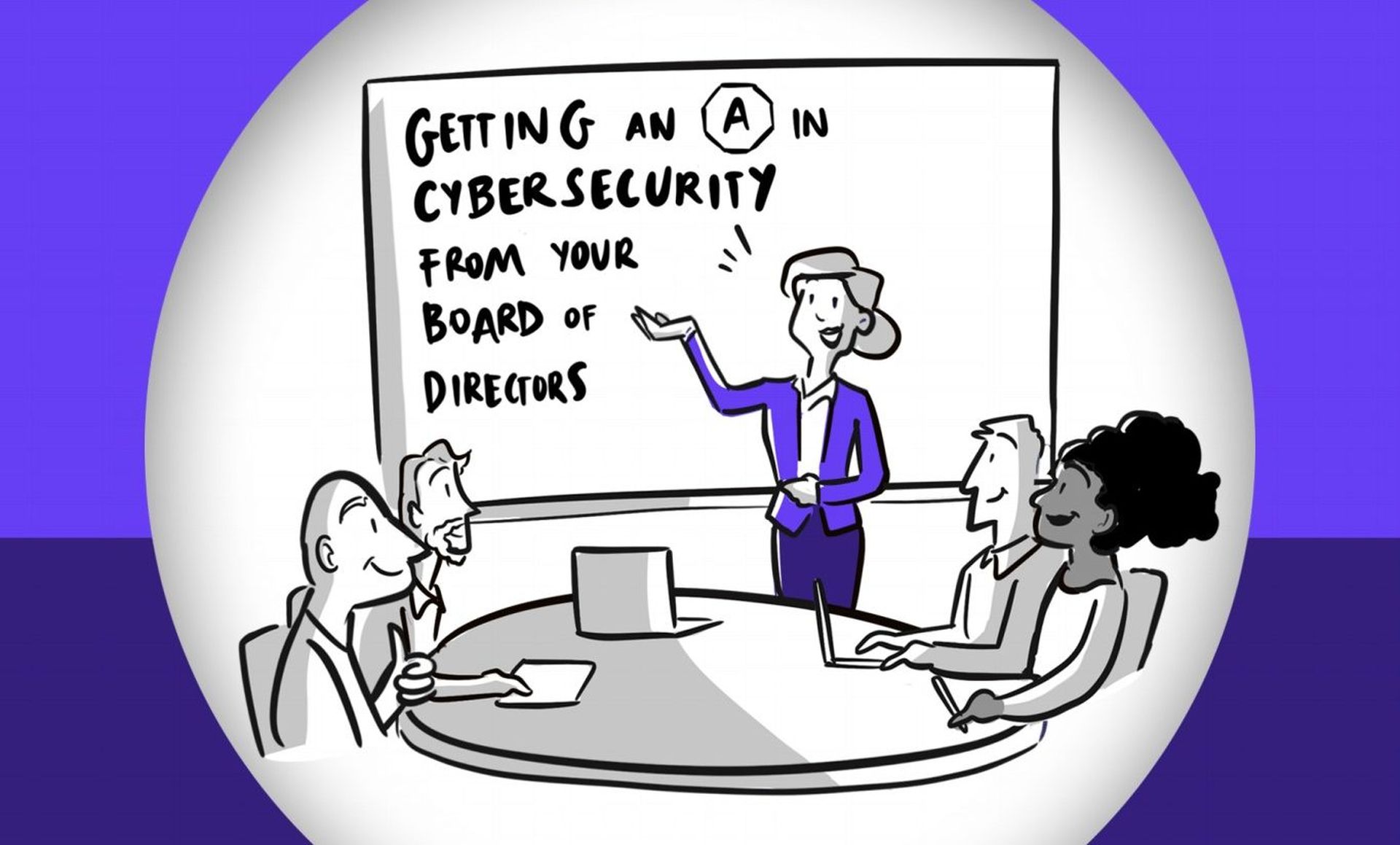
A new book, "The perfect scorecard," offers expert tips on how CISOs can stay business-aligned, and how corporate execs can more willingly embrace cyber hygiene initiatives. SC Media spoke to SecurityScorecard CEO and Founder Alexsandr Yampolskiy about the concept.
Fast Five
Selected by the SC Media Editorial team every Tuesday.
Sign up now for the top five issues cybersecurity pros need to know this week.