The federal government must stand up new “robust systems” to minimize identity theft and fraud and work to improve the processes for victims to report crimes, obtain their benefits, and restore their identities.That’s the conclusion reached by a working group on identity fraud composed of multiple federal inspectors general office following a surge in identity theft and fraud that has swept the nation over the past two years. This surge in fraud has happened “in tandem” with the passage of massive new relief programs following passage of bills designed to keep businesses and unemployed workers afloat during the coronavirus pandemic.While identity theft was already a large and growing problem prior to 2020, legislation like the CARES Act funneled billions of dollars to small business loans reeling from the virus’ impact and boosted unemployment insurance programs for workers who had suddenly lost their jobs. At the time, stopping the economic freefall and quickly getting money to those who needed it most were higher priorities for lawmakers than building in guardrails against fraud.“First, Congress made a deliberate decision to make several pandemic relief programs widely available with minimal documentation in an effort to expeditiously get relief into the hands of people who needed it. Likewise, many of the programs were unveiled in crisis conditions without the necessary time to develop effective processes to detect and prevent fraudulent applications,” the group of auditors noted. “Secondly, outdated and inadequate technology systems at the state and federal level further compounded issues associated with the rapid program roll-out.”There are numerous signals that this plan largely worked as intended: unemployment currently sits at or near record lows while other economic indicators showing large sections of the economy have mostly recovered from the dark days of 2020. However, it’s also clear that as a side effect, criminals, scammers and fraudsters have been benefitting from these same programs more than ever, pilfering an estimated hundreds of billions of dollars from programs whle also introducing new security risks for the Small Business Administration, state unemployment systems and others.Even small volumes of fraud add up to big numbers. As one example, auditors note that law enforcement agencies were able to tie approximately $25 million in unemployment insurance fraud back to just eight individuals, who were using the identities of minors, prisoners and others to file false claims. “These acts of fraud are not victimless crimes,” said Rep. Jim Clyburn, D-SC, chair of the House Select Subcommittee on the Coronavirus Crisis this week. “This fraud exhausted funds badly needed by eligible Americans, particularly funds allocated to support small businesses that are crucial to making the American economy thrive.”
Identity, Threat Management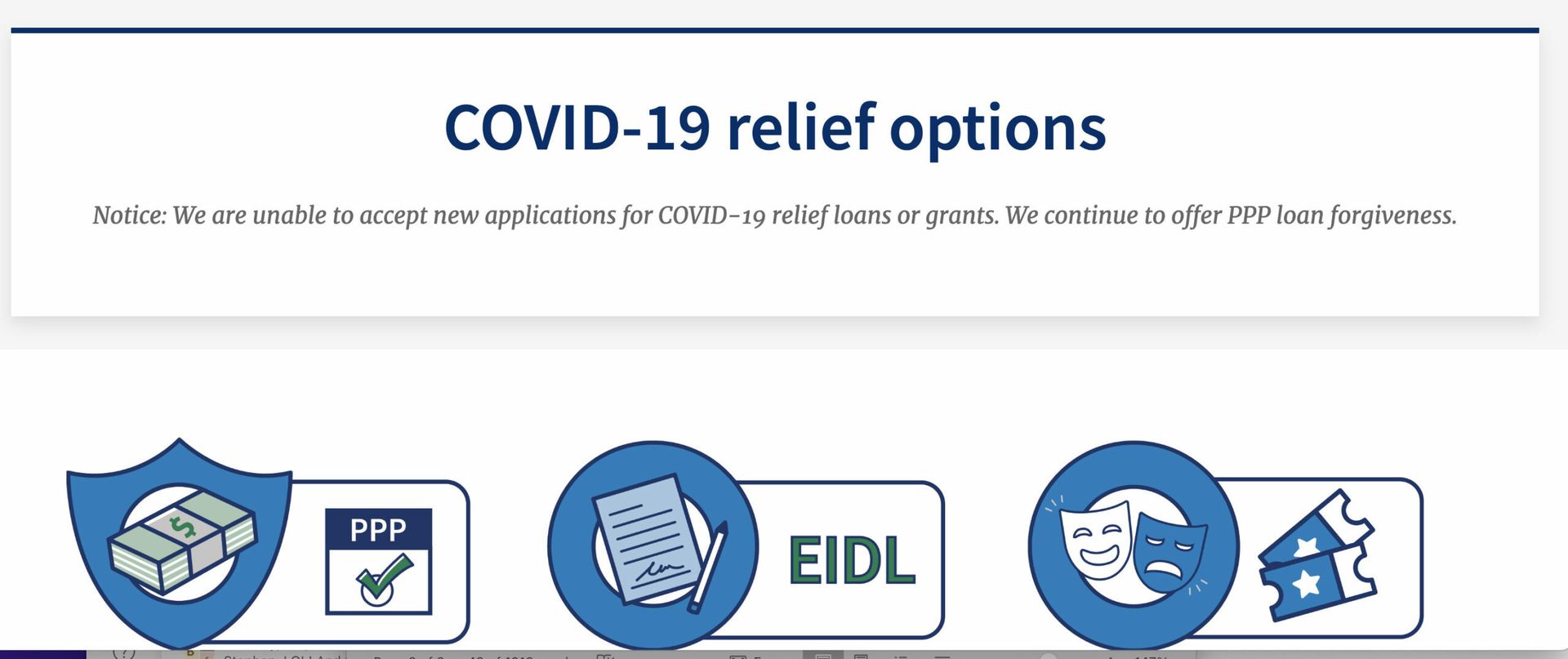


Federal auditors call for ‘robust systems’ to combat identity fraud in post-COVID era
Screen shot of SBA's COVID relief program page. While identity theft was already a large and growing problem prior to 2020, legislation like the CARES Act funneled billions of dollars to small business loans reeling from the virus’ impact and boosted unemployment insurance programs for workers who had suddenly lost their jobs.
Derek B. Johnson
Derek is a senior editor and reporter at SC Media, where he has spent the past three years providing award-winning coverage of cybersecurity news across the public and private sectors. Prior to that, he was a senior reporter covering cybersecurity policy at Federal Computer Week. Derek has a bachelor’s degree in print journalism from Hofstra University in New York and a master’s degree in public policy from George Mason University in Virginia.



Related Events
Get daily email updates
SC Media's daily must-read of the most current and pressing daily news
You can skip this ad in 5 seconds